
MPS VII (Sly Syndrome)
Scroll →
Overview
MPS VII is a mucopolysaccharide disease also known as Sly syndrome. It takes its name from Dr. William Sly who originally described the condition in 1972.
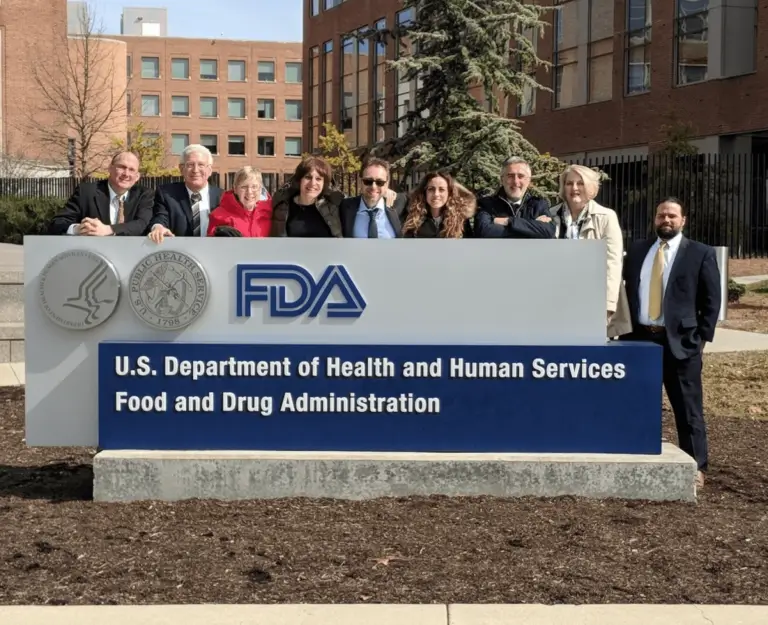
There is no cure for MPS VII, but as of Nov. 15, 2017, the U.S. Food and Drug Administration has approved Mepsevii, vestronidase alfa, as an enzyme replacement therapy for MPS VII.
MPS VII is estimated to occur in 1 in 250,000 newborns. It is one of the rarest types of mucopolysaccharidosis.
Understanding the Cause of MPS and ML
Mucopolysaccharides are chains of sugar molecules used to build connective tissues in the body.
“muco” refers to the thick jelly-like consistency of the molecules
“poly” means many
“saccharide” is a general term for a sugar molecule
The body constantly replaces used materials and breaks them down for disposal. Patients with MPS VII are missing the enzyme beta-glucuronidase, which is essential to breaking down the mucopolysaccharides heparan sulfate, chondroitin 4-, 6-sulfates, and dermatan sulfate. These materials remain stored in the body’s cells, causing progressive damage. Babies may show little sign of the disease, but as cells sustain damage, symptoms start to appear.
Understanding the Inheritance of the Disease
MPS VII is caused by a recessive gene. There is a one in four chance with every pregnancy that the child will inherit the variant gene from each carrier parent and will be affected with the disease. There is a two in three chance that unaffected brothers and sisters of Sly patients will be carriers.
Common Questions
What are the common early symptoms of MPS VII?
Common early symptoms of MPS VII (Sly syndrome) can vary but often appear in infancy or early childhood. These may include coarse facial features, enlarged liver and spleen, joint stiffness, hernias, and frequent respiratory infections. Some infants may show signs at birth, such as hydrops fetalis—a severe, life-threatening condition involving fluid buildup. Developmental delays and skeletal abnormalities may also become apparent early on. Because symptoms can resemble other conditions, early diagnosis by a metabolic specialist is key to beginning appropriate care and support.
How should we manage orthopedic and skeletal needs?
Managing orthopedic and skeletal needs in MPS VII requires coordinated care from an experienced medical team. Common concerns include joint stiffness, hip dysplasia, scoliosis, and short stature due to abnormal bone development. Regular evaluations by an orthopedic specialist are important to monitor progression and determine if interventions, such as physical therapy, bracing, or surgery, are needed. Early and ongoing management can help maintain mobility, reduce pain, and improve quality of life.
What should we do for treatment?
Treatment for Sly syndrome (MPS VII) focuses on managing symptoms and improving quality of life through a comprehensive, multidisciplinary approach. Enzyme replacement therapy (ERT) is available and can help reduce non-neurological symptoms, such as enlarged organs and respiratory issues. Supportive care may include physical therapy, surgical interventions for skeletal or airway concerns, and regular monitoring by specialists in cardiology, orthopedics, ENT, pulmonology, and neurology. Early diagnosis and coordinated care are essential to address the complex needs of individuals living with MPS VII.
التجارب السريرية
Clinical trials are research studies that determine whether treatments or devices are safe for humans. These studies also look for effective medical approaches for specific conditions and help provide reliable data for patients, researchers and doctors. Clinical trials are conducted on small groups to determine whether a drug or procedure causes negative reactions or unsatisfactory side effects.


HSCT
Hematopoietic stem cell transplantation is a blood stem cell transplant. Possible sources of blood stem cells include bone marrow, peripheral blood and umbilical cord blood.
Use of HSCT for MPS VII is limited by the rarity of the disorder and tendency toward stillbirths, although there are also milder adult forms of this disease. In certain circumstances, MPS VII can be effectively treated by HSCT provided that the developmental and clinical status of the individual is sound at the time of HSCT.
العلاجات المستجدة
As of Nov. 15, 2017, the U.S. Food and Drug Administration has approved Mepsevii as a treatment for MPS VII, after the drug showed efficacy during clinical trials. Click here for more information on Ultragenyx and Mepsevii.


Need Support? We’re Here for You
Living with an MPS diagnosis can feel overwhelming, but you’re not alone. Our Family Support Programs offer guidance, resources, and a caring community to help you every step of the way.